Q U A L I T Y   O R E S

Loading

Magnesite

Magnesite

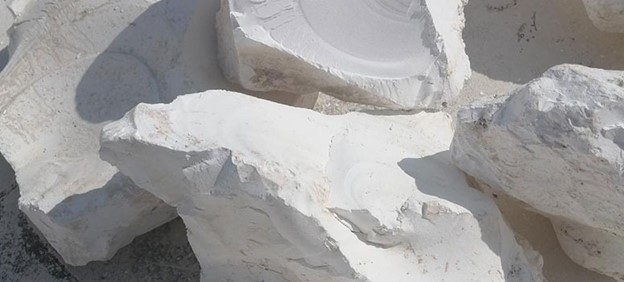
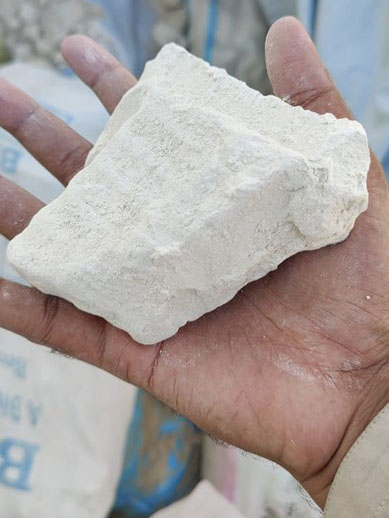
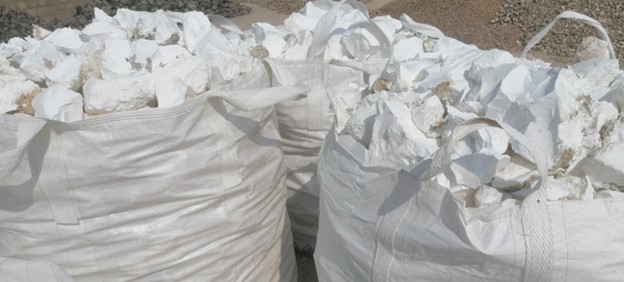
Magnesite is a naturally occurring mineral that is composed of magnesium carbonate (MgCO3). It is a white, crystalline substance with a chemical structure similar to that of calcite (CaCO3) and dolomite (CaMg(CO3)2).

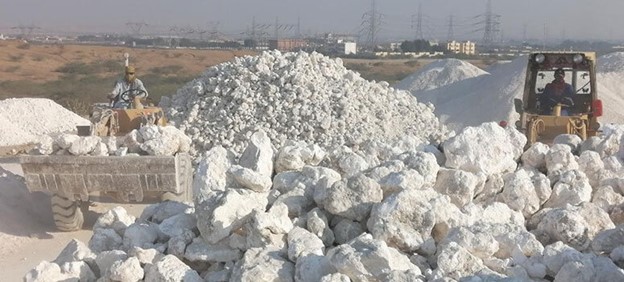
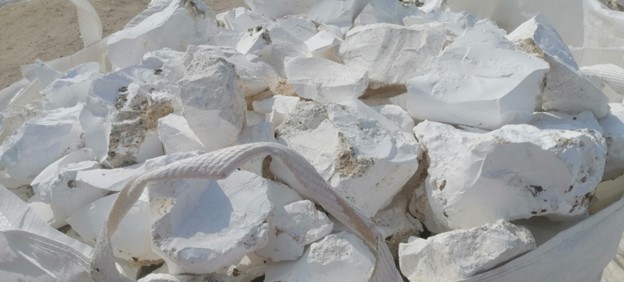
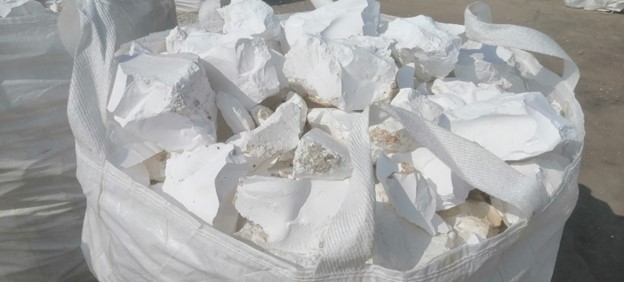
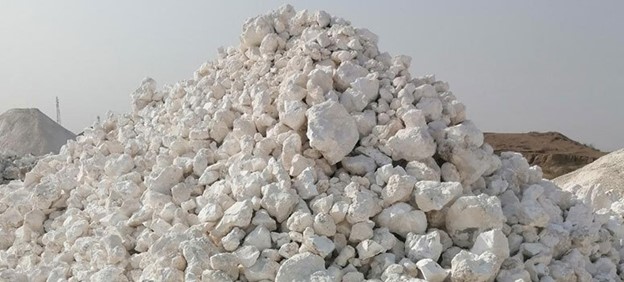
Raw magnesite is a rock or ore that contains a high concentration of magnesium carbonate and is used as a source of magnesium in various industrial applications. It is often mined from deposits located in mountainous regions, where it occurs as veins or in beds between layers of other rocks.

Magnesite can be processed to produce a variety of magnesium-based products, including magnesium oxide (MgO), magnesium hydroxide (Mg(OH)2), and magnesium chloride (MgCl2). These products are used in a wide range of industries, including construction, chemical manufacturing, and the production of refractory materials.

In addition to its industrial uses, raw magnesite is also used in the production of agricultural lime, which is used to neutralize soil acidity, and as a dietary supplement for livestock. It is also used in the manufacture of cement, and as a flux in the metallurgical industry.

Grades of Magnesites:

Magnesite is graded based on its purity and the size of its particles. The most common grading systems used for magnesite are based on its magnesium oxide (MgO) content, as well as its brightness and particle size.

The main grades of magnesite are:

  • Refractory grade magnesite: This grade of magnesite has a high MgO content (greater than 40%) and is used in the production of refractory materials such as bricks and shapes.
  • Dead-burned magnesite: This grade of magnesite has a MgO content of 95-98% and is produced by calcining raw magnesite at high temperatures. It is used in the production of basic refractories, as well as in the manufacture of magnesium chemicals and fertilizers.
  • Fused magnesite: This grade of magnesite is produced by melting raw magnesite and is used in the production of refractory materials and as a feedstock for the production of dead-burned magnesite.
  • Chemically pure magnesite: This grade of magnesite has a high purity (greater than 99% MgCO3) and is used in the production of agricultural lime, as well as in the manufacture of cement and other construction materials.
  • Other grades: Magnesite may also be graded based on its brightness, particle size, and other physical and chemical properties. For example, some magnesite products are classified as "ultra-fine" or "high brightness" depending on their specific characteristics.

Applications of Magnesite:

Raw magnesite has a variety of industrial and agricultural applications. Some of the main uses for raw magnesite include:
  • Refractory materials: Magnesite is used to produce refractory bricks and shapes for use in high-temperature applications such as furnace linings and kilns.
  • Magnesium chemicals and fertilizers: Magnesite is used as a feedstock for the production of magnesium oxide (MgO), magnesium hydroxide (Mg(OH)2), and other magnesium-based chemicals. These chemicals are used in a variety of applications, including in the manufacture of fertilizers and pesticides, and as a component in the production of concrete and other construction materials.
  • Agricultural lime: Magnesite is used to produce agricultural lime, which is used to neutralize soil acidity and improve soil structure.
  • Cement and construction materials: Magnesite is used in the production of cement and other construction materials, such as concrete, plaster, and mortar.
  • Metallurgical industry: Magnesite is used as a flux in the metallurgical industry to remove impurities from molten metals.
  • Other applications: Raw magnesite is also used in the production of animal feed, as a dietary supplement for livestock, and in the manufacture of glass and ceramics.