
Q
U
A
L
I
T
Y
O
R
E
S
Loading
Loading

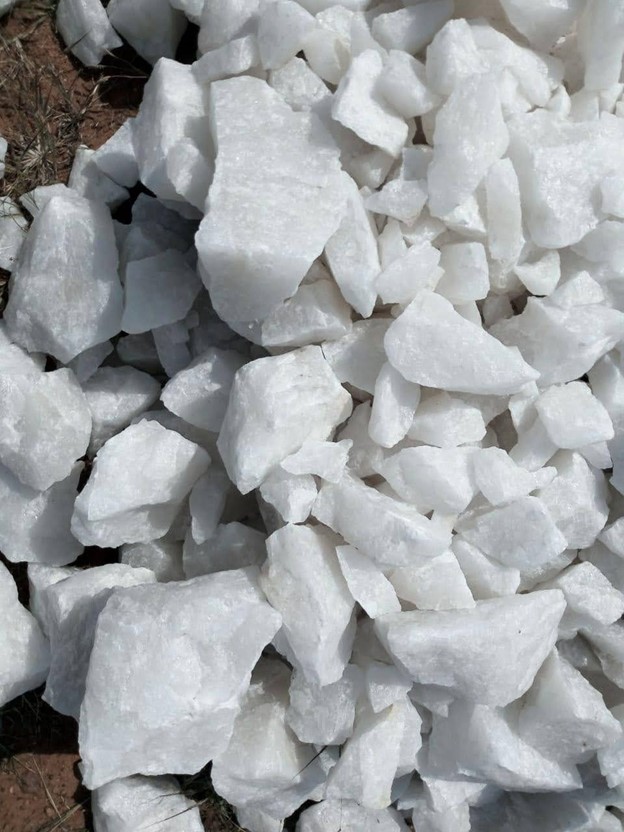
Dolomite is a mineral that consists of calcium magnesium carbonate (CaMg(CO3)2). It is a common rock-forming mineral and is found in sedimentary, metamorphic and igneous rocks. Dolomite has a wide range of uses, including as a building material, as a source of magnesium oxide and in the production of glass and ceramics. It also has agricultural, chemical and industrial applications. In agriculture, dolomite is used as a soil conditioner and as a feed additive for livestock. In the chemical industry, it is used in the production of magnesium compounds. In industry, it is used in the production of glass and ceramics, as a flux in the production of steel and as a component in the production of refractory bricks.
Dolomite is a mineral that can be found in various grades, depending on the amount of calcium carbonate (CaCO3) and magnesium carbonate (MgCO3) it contains. The most common grades of dolomite are:



Have any project in your mind feel free contact with us

© 2023 Quality Ores, All Rights Reserved.
Develop by Extech Solutions